
GLP-1 receptor agonists have transformed the way obesity and type 2 diabetes are treated. Originally developed to help people manage blood sugar levels, these medications are now widely used for weight management as well. They have helped millions improve their metabolic health, but like any medical treatment, they also come with side effects that should not be overlooked.
As more people begin GLP-1 therapy, nutritional support is becoming an essential part of treatment. This has increased the importance of choosing an evidence-based nutraceutical company in India that can provide science-backed nutritional solutions to support patients throughout their health journey.
What Are GLP-1 Receptor Agonists?
Glucagon-like peptide-1 (GLP-1) is a hormone naturally released by the gut after eating. It plays three important roles in the body:
- Signals the brain that you are full
- Stimulates insulin release to regulate blood sugar
- Slows stomach emptying, helping you stay full for longer
GLP-1 receptor agonists (GLP-1 RAs) are medications designed to mimic these natural effects. By reducing appetite, slowing digestion, and improving blood sugar control, they help patients lose weight while managing type 2 diabetes.
Today, medications such as semaglutide (Ozempic®, Wegovy®, Rybelsus®) and tirzepatide (Mounjaro®, Zepbound®) have become widely recognized for changing the treatment landscape of both diabetes and obesity.
Why GLP-1 Medications Are Gaining Popularity in India
India is witnessing rapid growth in the use of GLP-1 medications. Following the expiry of semaglutide’s patent on 20 March 2026, the market has opened to generic manufacturers. More than 40 Indian pharmaceutical companies are expected to launch generic versions at prices 60 to 90% lower than the innovator product.
The demand is driven by India’s growing burden of metabolic diseases:
- Nearly 90 million adults are living with diabetes.
- Around 275 million adults are overweight or obese.
- The Indian GLP-1 market is projected to grow by over 30% annually, reaching thousands of crores by the end of the decade.
While improved affordability will allow more patients to access treatment, it also highlights the need to manage the nutritional and physiological challenges associated with long-term GLP-1 therapy.
The Hidden Challenges of GLP-1 Therapy
Although GLP-1 medications are highly effective, they can create several challenges that may affect long-term treatment success.
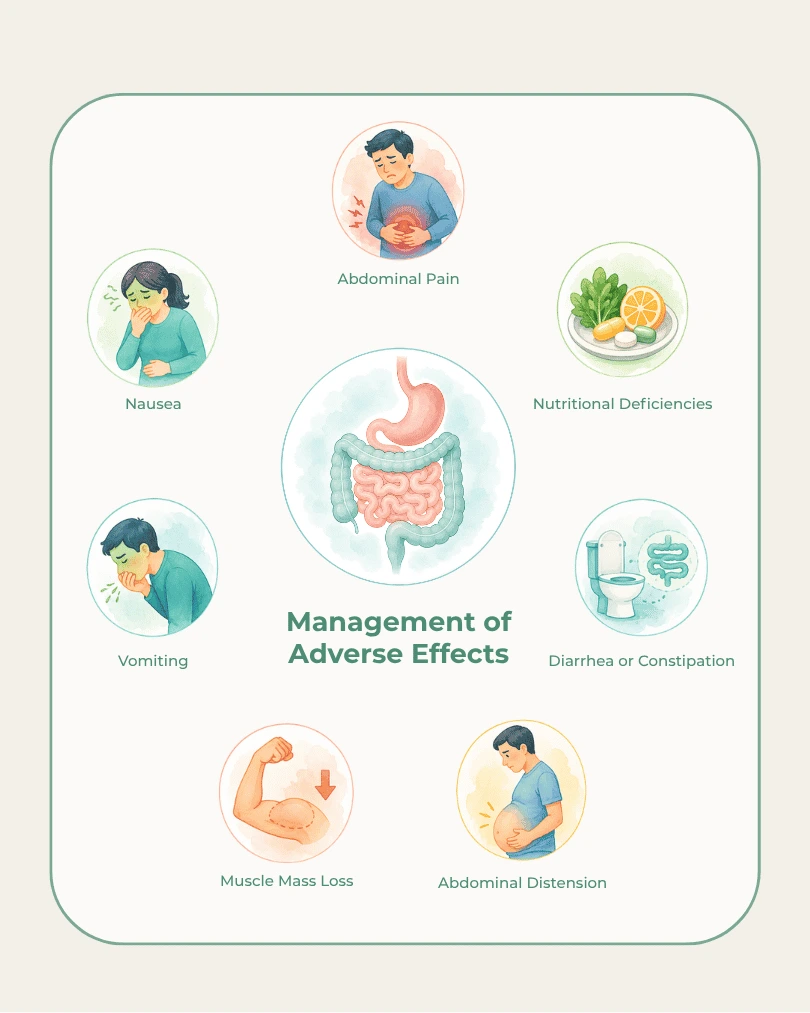
1. Gastrointestinal Side Effects
Digestive issues are the most common reason why patients discontinue GLP-1 therapy.
Common side effects include:
- Nausea: 15 to 50%
- Vomiting: 5 to 20%
- Diarrhea: 20 to 25%
- Constipation: 7 to 24%
- Bloating: 15 to 20%
These symptoms occur because GLP-1 medications slow stomach emptying and alter normal digestion. Side effects are usually most noticeable when the dose is gradually increased.
Studies show that 50 to 75% of patients discontinue GLP-1 therapy within the first year, and nearly 70% report gastrointestinal symptoms severe enough to interfere with daily life. Among these, nausea remains the leading reason for treatment discontinuation.
2. Muscle Loss During Weight Loss
Weight loss is one of the major benefits of GLP-1 therapy, but not all of the weight lost comes from fat.
Research suggests that 25 to 40% of total weight loss, and in some studies as much as 40 to 60%, may come from lean muscle mass.
This is concerning because muscle helps:
- Maintain metabolism
- Improve strength and mobility
- Reduce the risk of falls and frailty
- Support long-term weight management
The main reason is reduced food intake. Patients typically consume 20 to 24% fewer calories, while 64% fail to meet their daily protein requirements, making it easier for the body to break down muscle tissue for energy.
3. Nutritional Deficiencies
GLP-1 therapy can also increase the risk of nutrient deficiencies because patients eat less and nutrient absorption slows due to delayed gastric emptying.
Common deficiencies include:
- Vitamin D
- Vitamin B12
- Iron
- Zinc
Research shows that:
- Only 1.4% of GLP-1 users meet the recommended dietary intake for Vitamin D.
- Vitamin D deficiency increases from 7.5% after six months to 13.6% after one year.
- 64% of patients consume less iron than recommended.
- Around 50% of Indian women already have iron-deficiency anemia before starting therapy, making them particularly vulnerable.
- Zinc deficiency may also worsen over time, affecting taste and food choices.
If left untreated, these deficiencies can contribute to fatigue, poor immunity, anemia, and reduced bone health.
Why Long-Term Nutritional Support Matters
Many patients experience excellent weight loss initially but struggle to maintain their progress. In many cases, the problem isn’t that the medication stops working. It’s that the body isn’t receiving the nutritional support it needs.
Digestive discomfort, muscle loss, and nutrient deficiencies often make it difficult for patients to stay on therapy. This explains why more than half of GLP-1 users discontinue treatment within the first year.
As GLP-1 therapy becomes more common, comprehensive nutritional care will play a crucial role in helping patients achieve sustainable health outcomes.
What You Can Do
If you are taking or planning to start GLP-1 therapy, these simple steps can help improve your treatment experience:
- Prioritize protein at every meal to help preserve muscle.
- Include resistance or strength training in your routine.
- Get regular blood tests to monitor Vitamin D, Iron, and Vitamin B12 levels.
- Choose nutrient-dense foods instead of empty calories.
- Discuss slower dose escalation with your healthcare provider if side effects become difficult to manage.
- Work with a registered dietitian to develop a personalized nutrition plan.
These strategies can help patients stay on treatment longer while protecting overall health.
Supporting Your GLP-1 Journey with Blumen Biovitals
At Blumen Biovitals, we understand that successful GLP-1 therapy requires more than medication alone. As an innovation-driven nutraceutical company in India, we are committed to developing evidence-based nutritional solutions that help patients manage the physiological changes associated with GLP-1 treatment.
Our GLP-1 companion solution is designed to support three key areas:
Muscle Preservation
Supports lean muscle maintenance during periods of reduced calorie intake, helping patients protect metabolic health while losing weight.
GI Comfort
Promotes digestive comfort and supports gastrointestinal wellness, helping patients better tolerate GLP-1 therapy.
Nutritional Replenishment
Provides targeted nutritional support to help address common vitamin and mineral deficiencies that may develop during treatment.
By combining scientific research with high-quality nutritional formulations, Blumen Biovitals aims to help patients maximize the benefits of GLP-1 therapy while supporting their long-term health and well-being.
Final Thoughts
GLP-1 medications have changed the way obesity and type 2 diabetes are managed, offering hope to millions of patients. However, medication alone is not enough. Long-term success depends on a comprehensive approach that includes balanced nutrition, physical activity, regular medical monitoring, and supportive care.
As GLP-1 therapy continues to expand across the country, partnering with a trusted nutraceutical company in India can help patients bridge nutritional gaps, manage treatment-related challenges, and achieve healthier, more sustainable outcomes. With science-backed nutritional support from companies like Blumen Biovitals, patients can stay focused on their health goals while making the most of their GLP-1 journey.
FAQs
1. What are GLP-1 receptor agonists, and how do they work?
GLP-1 receptor agonists are medications used to manage type 2 diabetes and obesity. They work by mimicking the natural GLP-1 hormone, which helps regulate blood sugar, slows stomach emptying, and reduces appetite. This combination helps improve blood glucose control and supports significant weight loss.
2. What are the most common side effects of GLP-1 therapy?
The most common side effects are gastrointestinal, including nausea, vomiting, diarrhea, constipation, and bloating.
3. Why is nutritional support important during GLP-1 therapy?
GLP-1 medications reduce appetite, which often leads to lower calorie and nutrient intake. Without proper nutritional support, patients may experience muscle loss, vitamin and mineral deficiencies, and digestive discomfort. Maintaining adequate protein intake, consuming nutrient-dense foods, and following medical and dietary guidance can help improve treatment adherence and long-term health outcomes.